Ahoy!
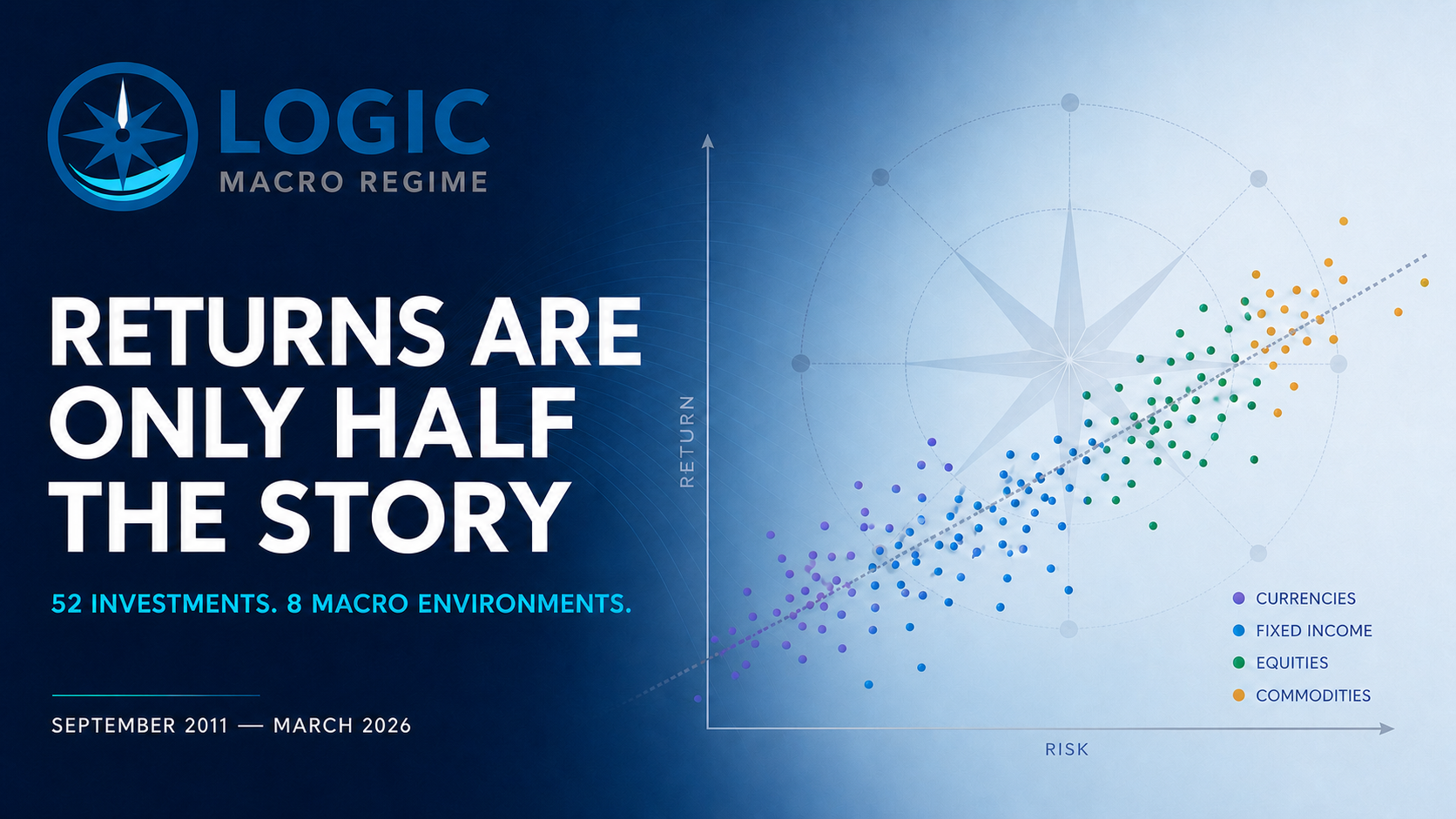
This is a lagged sample of the July 2026 report, sent to paid subscribers at least a week before the reference month began. Paid subscribers also receive exclusive access to the interactive Monthly Macro Map dashboard, showing current conditions, the next six months, and how to position. The subscriber portal also includes the Back-Test Analyzer with 52 ETFs to compare across macro environments by return and risk.
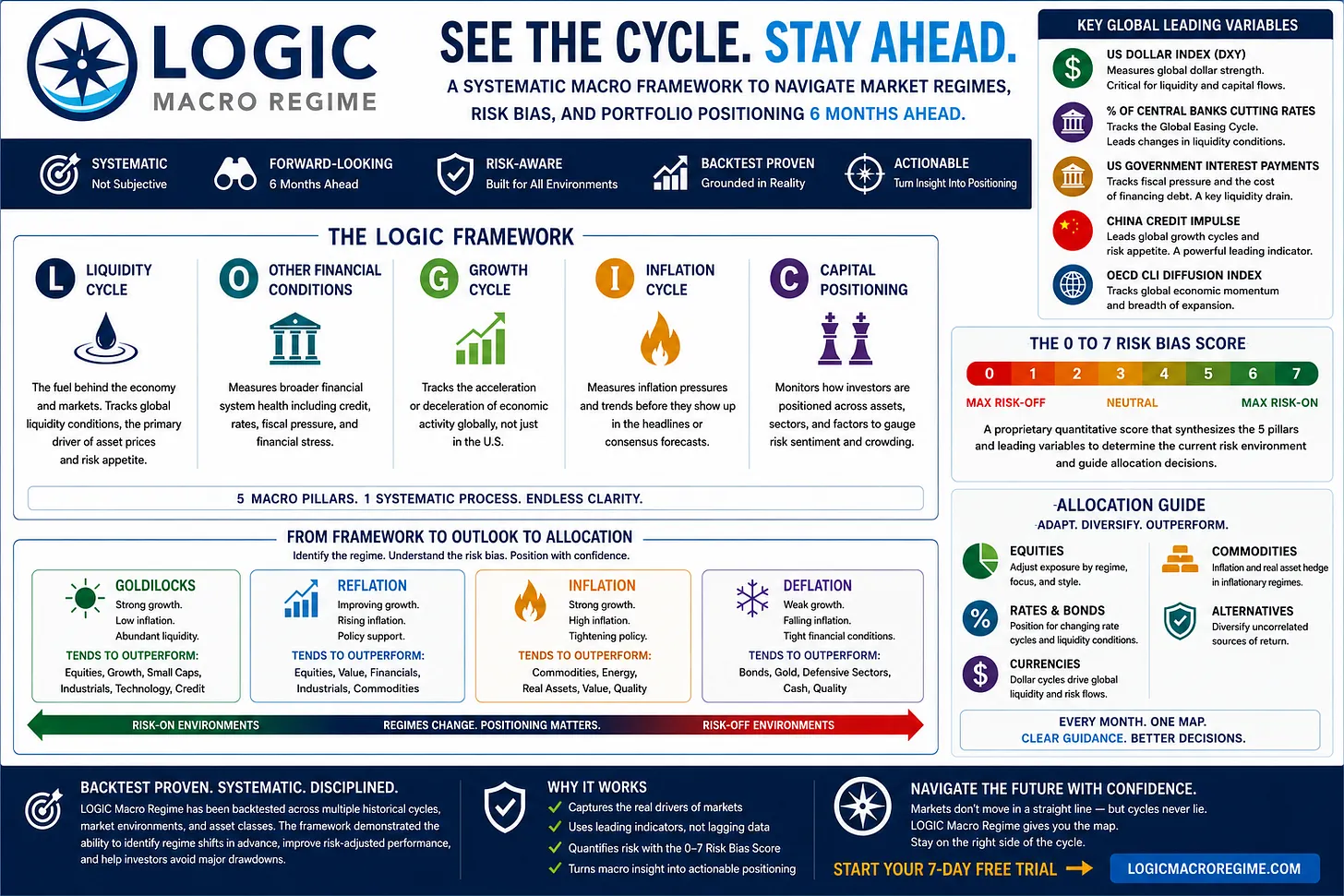
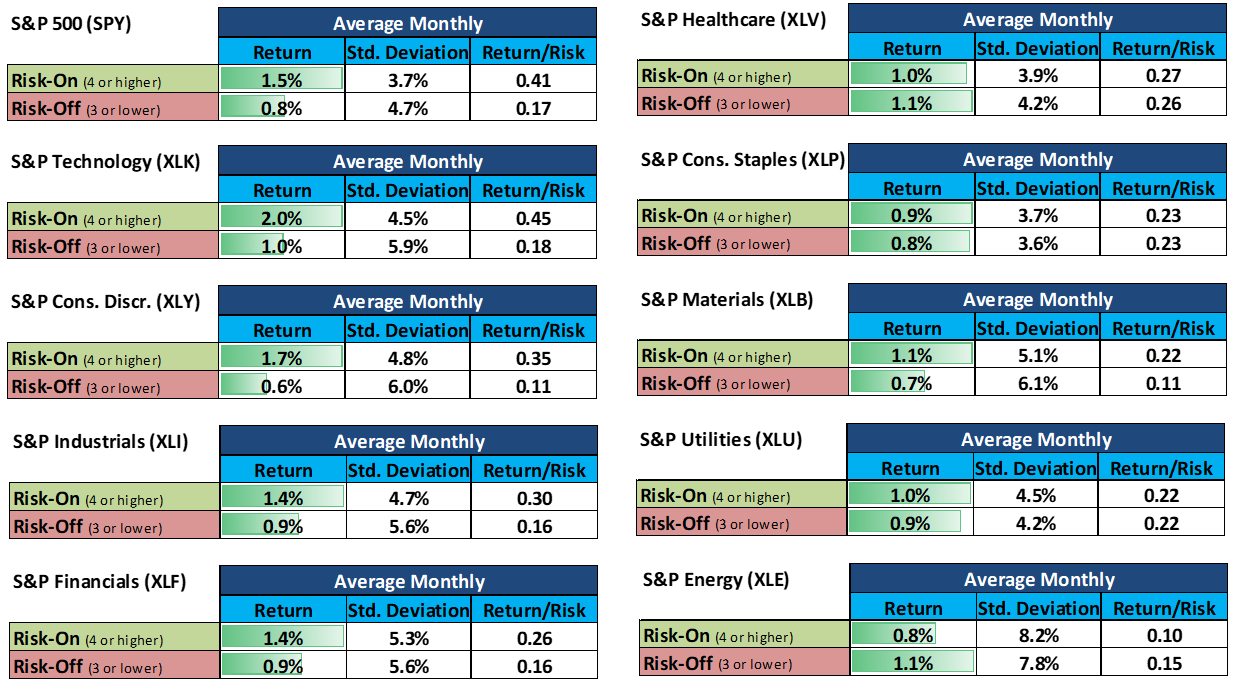
The conditions for the months ahead reflect the aggregate state of the Liquidity, Other Financial Conditions, Growth, Inflation, and Capital Positioning cycles, alongside key global leading indicators.
July 2026 Snapshot
Forward View (6 months) Markets continue to validate the message we've been communicating for several months. Despite geopolitical volatility, elevated inflation concerns and an increasingly hawkish Federal Reserve, the broader market continues to trade remarkably well. The S&P 500 remains near record highs around the 7,500 area, while credit markets continue functioning normally and leading indicators remain supportive of continued economic expansion. Although the recent conflict surrounding Iran temporarily pushed oil prices above US$100/barrel, diplomatic progress over the past week has helped WTI crude oil retreat back below US$80/barrel, removing one of the biggest upside risks to inflation that markets were worrying about earlier this month.
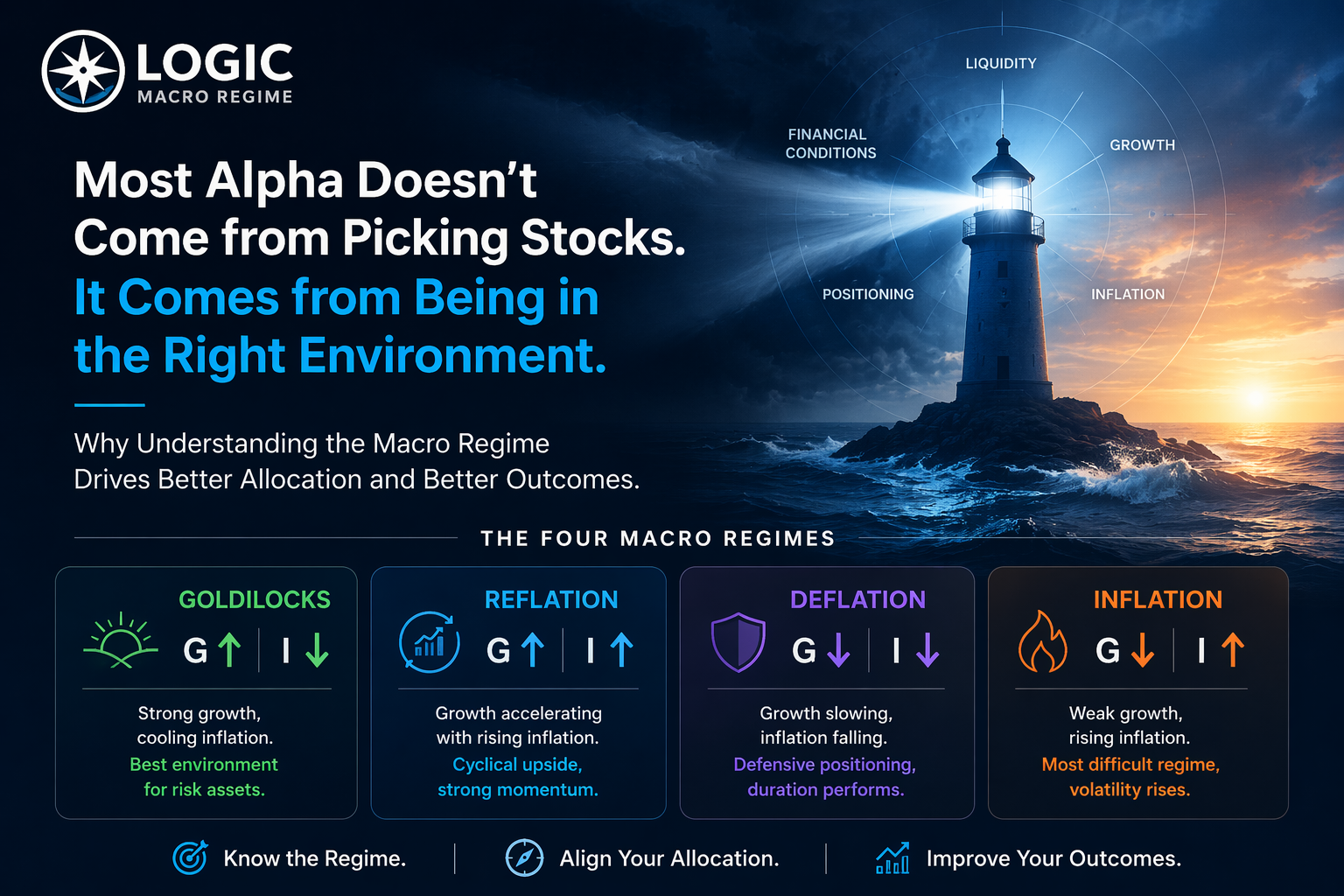
This is exactly why we spend so much time focusing on the direction of macro conditions rather than reacting to headlines. While many investors became concerned that the inflation spike would immediately derail the expansion, the broader collection of leading indicators continues to suggest that the current environment remains much closer to Risk-On Reflation than the beginning of a sustained Risk-Off regime.
That said, our bigger message has not changed.
The path through the summer still looks constructive, but we continue to believe that the probability of a more meaningful correction increases as we move into the September through December window.
For now, we remain invested.
Later this year, we'll likely begin discussing a gradual shift toward more defensive positioning before the broader market fully appreciates the deterioration.
That continues to be one of the biggest advantages of following a systematic framework instead of reacting emotionally to daily news headlines.
(L) Liquidity Cycle ✅
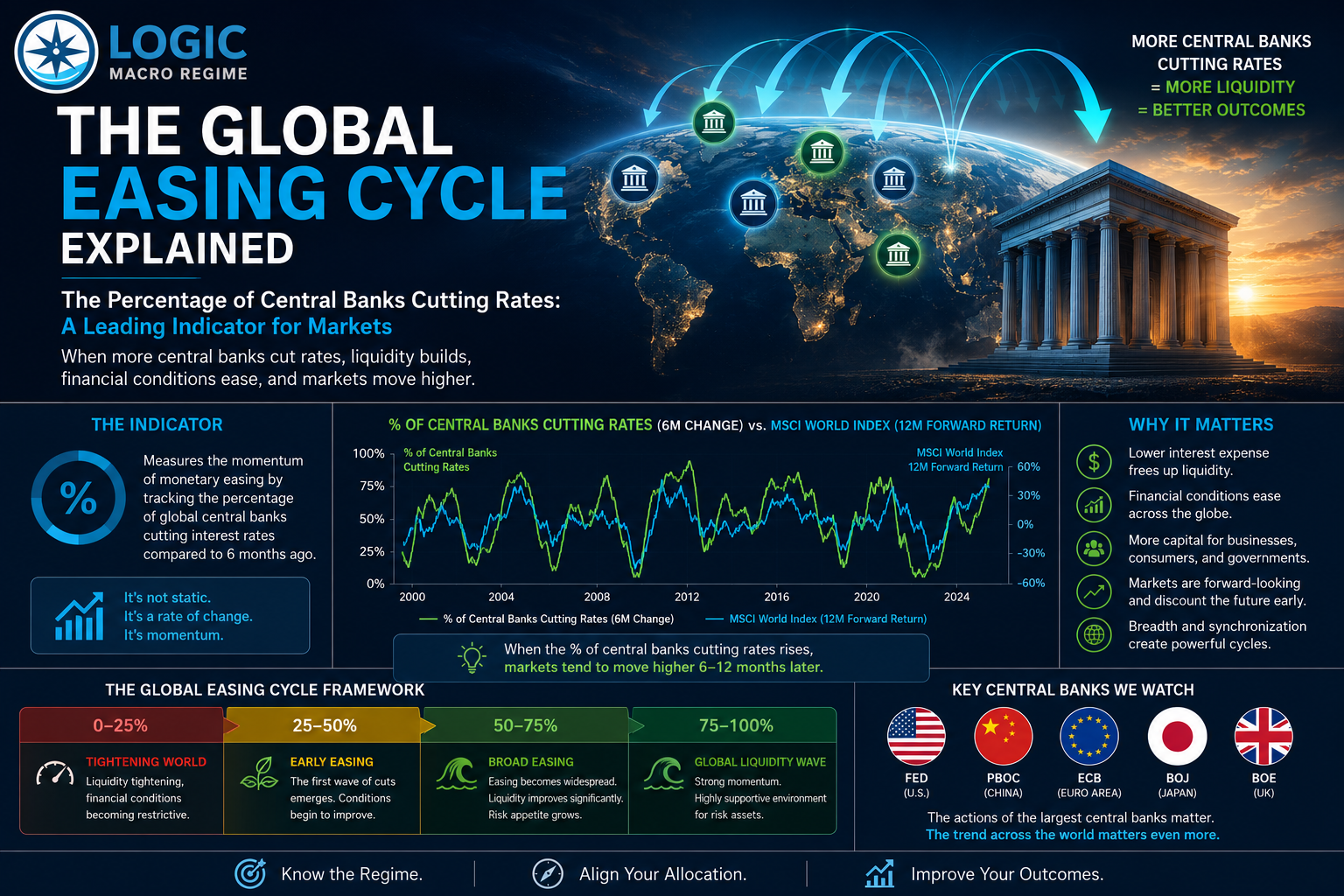
Liquidity continues to provide a steady tailwind for financial markets. Remember, the Liquidity Cycle is not primarily about interest rates - it is about the quantity of money available within the financial system. Global money supply growth continues to improve, reserve balances remain abundant, and central banks have generally shifted away from aggressively removing liquidity. Several major central banks have slowed the pace of quantitative tightening, while fiscal deficits continue injecting meaningful liquidity into the private sector. The result is that the global stock of investable capital continues to expand faster than it did over the previous two years. Although we are not witnessing another massive quantitative easing program, historically, improving liquidity has been one of the most reliable leading indicators for stronger earnings, improved credit creation, higher asset prices and greater investor risk appetite.
(O) Other Financial Conditions ✅
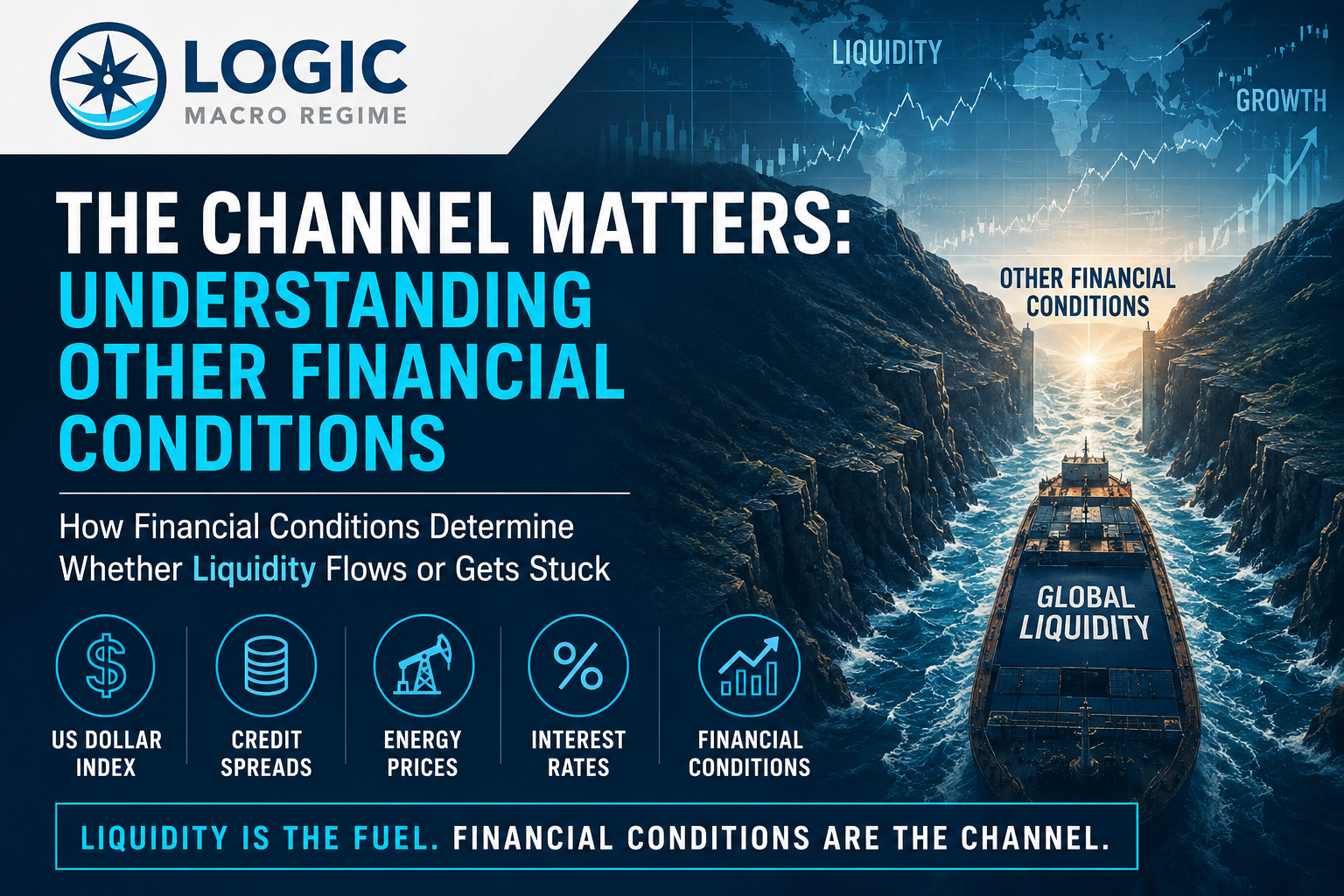
Other Financial Conditions have moved back into favorable territory (increasing the Risk Bias Score back to 7). Higher oil prices, rising Treasury yields and geopolitical uncertainty briefly tightened financial conditions earlier this year. However, much of that tightening has already begun to reverse. Oil prices have fallen sharply as Middle East tensions eased, credit markets remain orderly, corporate issuance continues normally and broader financial stress measures remain subdued. Financial conditions have therefore loosened enough to move this pillar back into positive territory within the LOGIC framework. Although long-term interest rates remain elevated and the US dollar is still relatively firm, neither currently appears restrictive enough to derail the broader macro expansion.
(G) Growth Cycle ⬆️
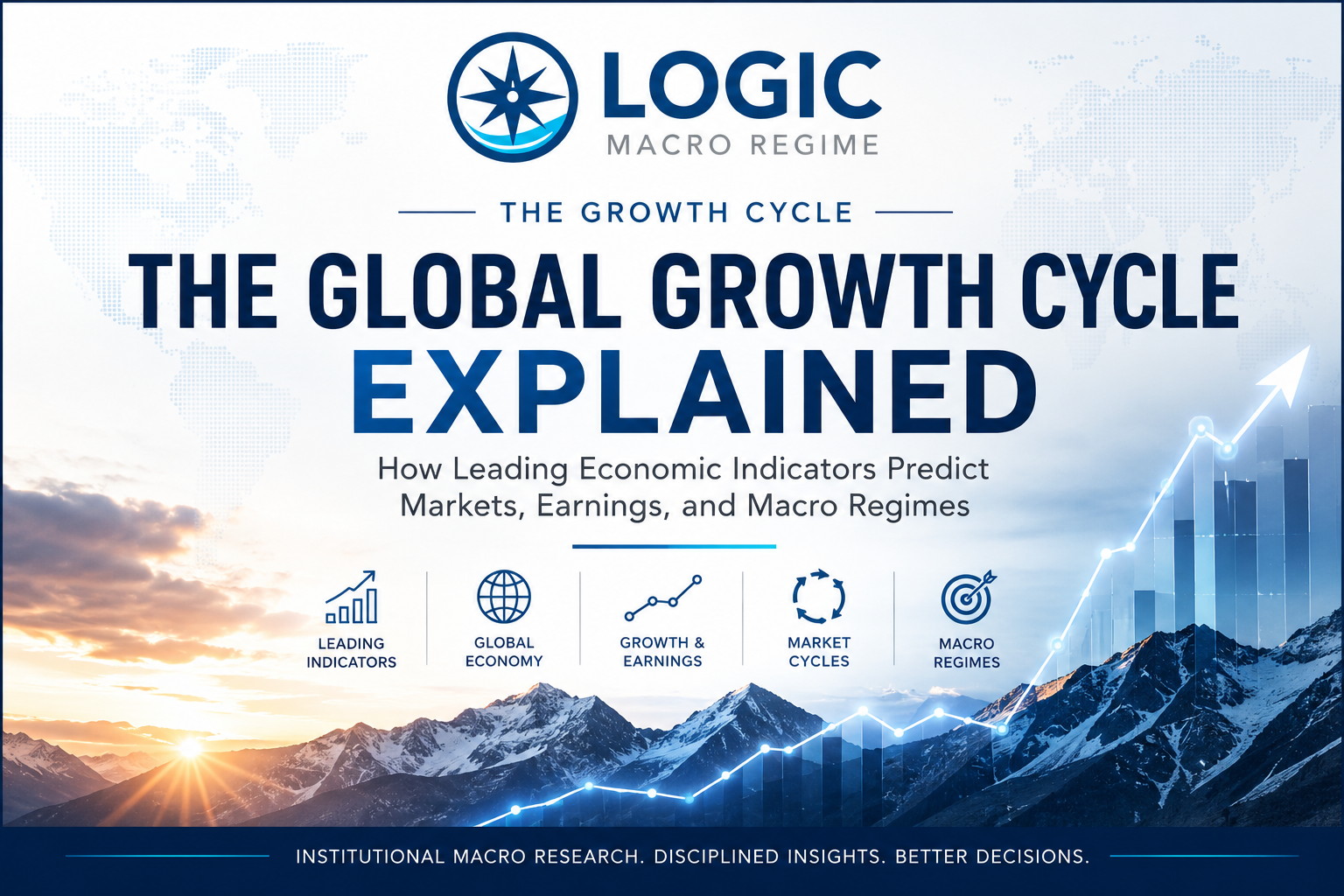
The Growth Cycle continues to improve. Global manufacturing surveys remain in expansionary territory while OECD leading indicators continue pointing toward improving economic momentum across much of the developed world. Recent US retail sales surprised positively, increasing 0.9% month-over-month, highlighting that consumer demand remains resilient despite higher borrowing costs. Corporate earnings expectations also continue to improve, supported by ongoing investment in artificial intelligence, infrastructure spending and healthy labor markets. While growth is unlikely to accelerate indefinitely, the evidence continues to suggest that the softness experienced earlier this year represented more of a temporary air pocket than the beginning of a recession. Growth therefore remains supportive of the current Reflation regime.
(I) Inflation Cycle ⬆️
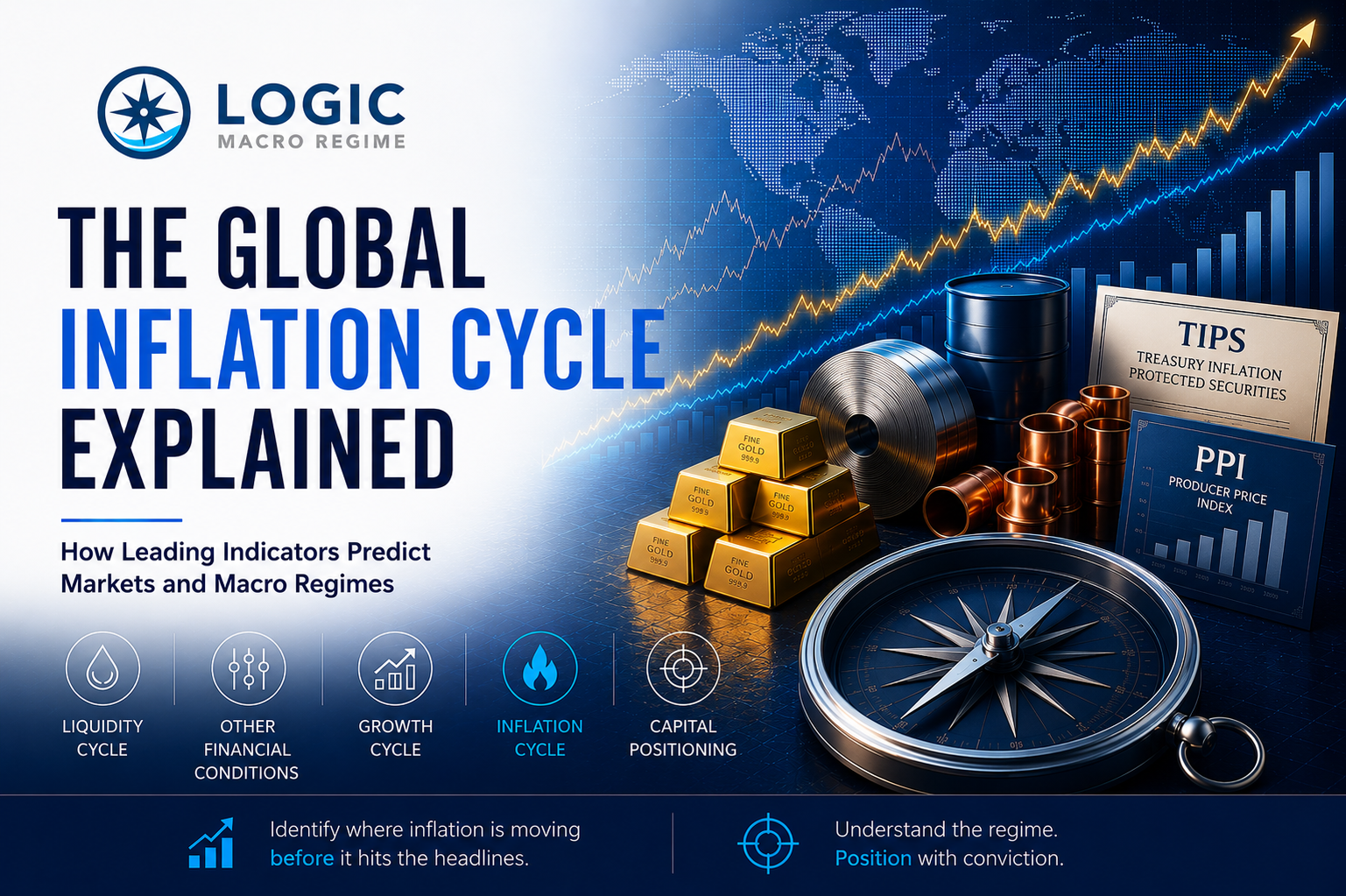
Inflation remains the only pillar preventing an ideal macro backdrop. Energy-related price pressures pushed headline inflation higher during recent months, with US CPI increasing 4.2% year-over-year in May, while energy prices accounted for much of the increase. The encouraging news is that several of the drivers behind this acceleration already appear to be fading. Oil prices have retreated materially over the past week, supply disruptions are easing, and base effects should gradually become more favorable over the coming months. While inflation remains elevated today, we continue to believe the broader trend should moderate as temporary commodity-related pressures fade.
(C) Capital Positioning ✅
Capital Positioning remains supportive. The market has demonstrated impressive resilience throughout recent geopolitical uncertainty. Despite several headline-driven selloffs this year, investors have consistently stepped back in to buy weakness rather than aggressively reduce risk. Institutional positioning appears considerably healthier than it was earlier this year, while broader market participation continues expanding beyond a handful of mega-cap technology companies. This healthier positioning provides additional support for risk assets over the near term, although we will continue monitoring sentiment closely as we approach the historically weaker autumn period.
Positioning Implications
For now, our preferred positioning continues to favor Risk-On Reflation, with allocations tilted toward cyclical equities, Financials, Industrials, Technology, Small Caps, High Yield Credit, Business Development Companies, Convertibles and Preferred Shares.
However, the clock continues to tick.
As we've been communicating for several months, late summer into the fall remains the period where we expect conditions to become increasingly vulnerable. We'll continue monitoring the data each month and communicate any changes before they become obvious to the broader market.
That is the advantage of following a systematic framework.
You aren't reacting to the macro cycle.
You're navigating it.
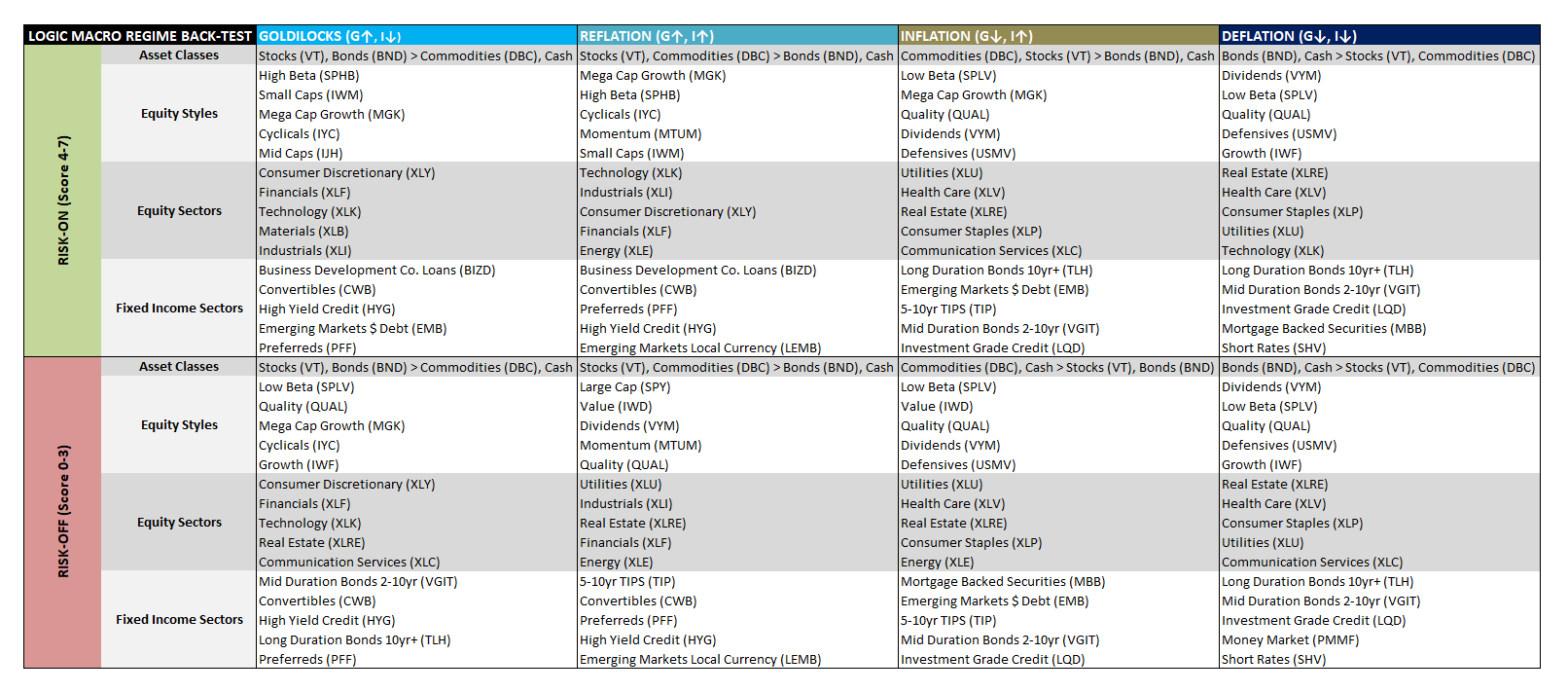
For even more insight on how to position (and to see the table in a larger format), you can click on Back-Test for asset, style, and sector factors that historically have out/under-performed in this kind of Macro Regime.
Stay Systematic.